Best Cast Net for Live Bait: A Complete Buyer's Guide
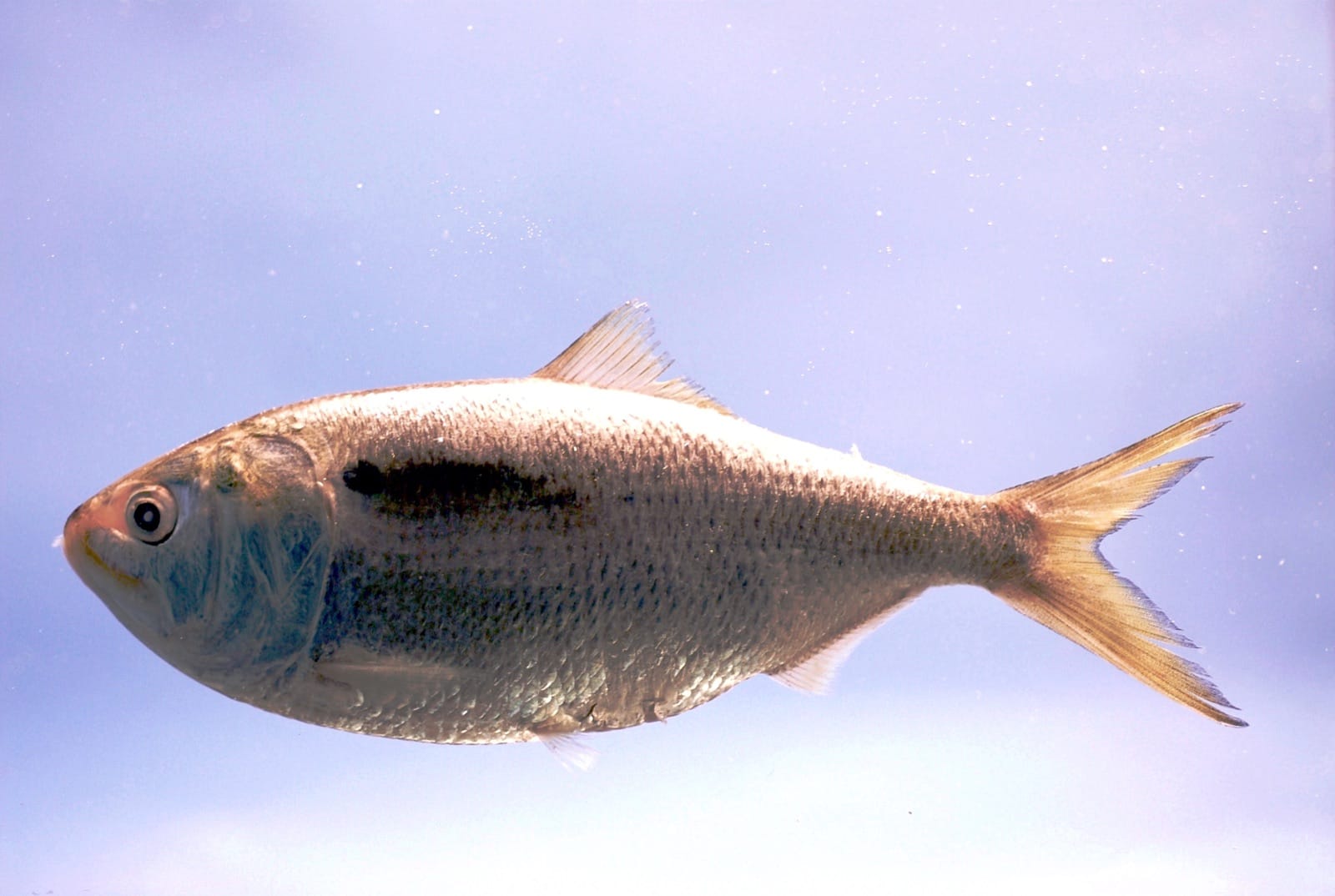
Photo: NOAA SEFSC Pascagoula Laboratory, public domain
Catching your own live bait with a cast net beats buying it every time — cheaper, fresher, and it works no matter what the bait shop has in stock that day. But "get a cast net" isn't specific enough advice on its own. The right net depends on what you're catching, where, and how experienced a caster you are. This guide covers all of it.
Start with the three measurements that actually matter
Every cast net is defined by three specs, and getting them right matters more than any brand name:
- Radius— the distance from the center horn to the lead line. A "10 ft" net opens into a 20 ft circle. Bigger nets cover more water but are genuinely harder to throw clean.
- Mesh size — the size of the openings in the netting. Smaller mesh catches smaller bait; the trade-off is more water resistance and a slower sink.
- Sinker weight per foot of radius — how fast the net sinks and how tightly it closes on the bottom. Heavier sinkers beat fast, evasive bait; lighter sinkers throw easier.
Get these three right for your target bait and your fishing spot, and the specific product you buy matters much less. Our full size guide covers all three in more depth if you want the complete breakdown.
Mesh size by bait type
| Mesh | Best for |
|---|---|
| 1/4" | Glass minnows, mud minnows, spearing, shrimp, baby mullet |
| 3/8" | Mullet, shad, menhaden, pilchards, shiners — the general-purpose choice |
| 1/2" | Larger mullet, croaker, spot, bigger shad |
If you're not sure what mesh you need, 3/8" is the right default 80% of the time. It's available across the entire BasicGear lineup and covers the widest range of common live bait without needing to guess.
Bait-by-bait quick recommendations
We've written dedicated guides for the most common live bait targets, each with mesh, radius, and series recommendations specific to that bait:
- Best Cast Net for Mullet — mesh sizing by mullet size, and why sink speed matters more for mullet than most bait.
- Best Cast Net for Shrimp — the finest mesh available, smaller radius, and why a fast-sinking net catches more shrimp than a bigger one.
- Best Cast Net for Shad and Small Bait — the difference between shad-size mesh and glass-minnow-size mesh, and why using the wrong one means empty throws.
Which series should you actually buy?
BasicGear Basic Series — the default starting point
Galvanized zinc iron sinkers at 3/4 lb/ft, monofilament nylon mesh in 1/2", 3/8", and 1/4" across a 3–12 ft radius range. Best all-around value and the widest range of mesh and size options in one series. If you're buying your first cast net, start here.
BasicGear Sports Series — for boat and kayak anglers
Identical to the Basic in mesh, sizing, and weight — the only difference is PVC-coated sinkers instead of bare zinc iron, which protects fiberglass hulls, gel coat, and aluminum gunnels from scratches. If you'll be throwing from a boat, kayak, or dock with painted surfaces nearby, this is worth the small price difference over the Basic.
BasicGear Classic Series — for current, depth, or fast bait
Pure lead sinkers at 0.75–1 lb/ft — noticeably heavier than the Basic or Sports — for a faster sink rate and a tighter close. The right choice for tidal current, bridge and pier fishing, or any bait (like mullet or shrimp) that scatters quickly once it senses the net.
BasicGear Pancake Series (Gold or Blue) — for serious, frequent use
The heaviest sinker weight in the lineup at 1.6 lb/ft real lead ball sinkers, in mesh options from 3/8" up to 1 1/4" and radius from 6 to 10 ft. The pancake design opens to a larger radius per foot of material and closes fastest of any series. It's also the hardest to throw — reserve it for anglers who fish live bait daily or professionally, not as a first cast net. See our Pancake vs. Standard comparison for the full trade-off between throw effort and sink speed.
Beyond the net: handling live bait once you've caught it
A great throw is only half the job — live bait needs gentle handling to stay lively until you fish it. A knotless soft-mesh scoop like the Baitwell Net or Pro Baitwell Net moves bait from the cast net into a livewell or bucket without stripping scales or slime coat, and the fine 1 mm mesh Minnow Dip Net is built specifically for the smallest bait, like minnows and shrimp.
If you're working a shoreline with a partner instead of throwing solo, a seine net — available in 1/4" mesh and lengths from 5 to 50 ft — can sweep a longer stretch of bank than any single cast net throw. Our cast net vs. seine net comparison covers when each tool makes more sense.
Getting the throw right
No amount of the right mesh or sinker weight matters if the net doesn't open fully. If you're new to cast nets, work through our step-by-step throwing guide before sizing up — a smaller net that opens perfectly every time out-catches a bigger one that doesn't.
Our overall recommendation
For most anglers catching a mix of live bait — mullet, shad, shrimp, minnows — start with the BasicGear Basic Series, 3/8" mesh, 6–8 ft radius. It's the most versatile combination in the lineup: broad mesh coverage, manageable size, and enough sinker weight for calm-to-moderate conditions. Step up to the Classic Series once you need a faster sink for current or evasive bait, and only consider the Pancake seriesonce you're throwing regularly enough to justify the extra weight.
Before you head out, double-check your state's rules on the cast net laws page — mesh size limits, radius restrictions, and species-specific bait regulations vary widely by state.
Ready to buy?
Every mesh, radius, and sinker option for live bait is available across the BasicGear cast net lineup.
Browse more guides