Durable Fishing Gear: How to Choose and Maintain Tools That Last
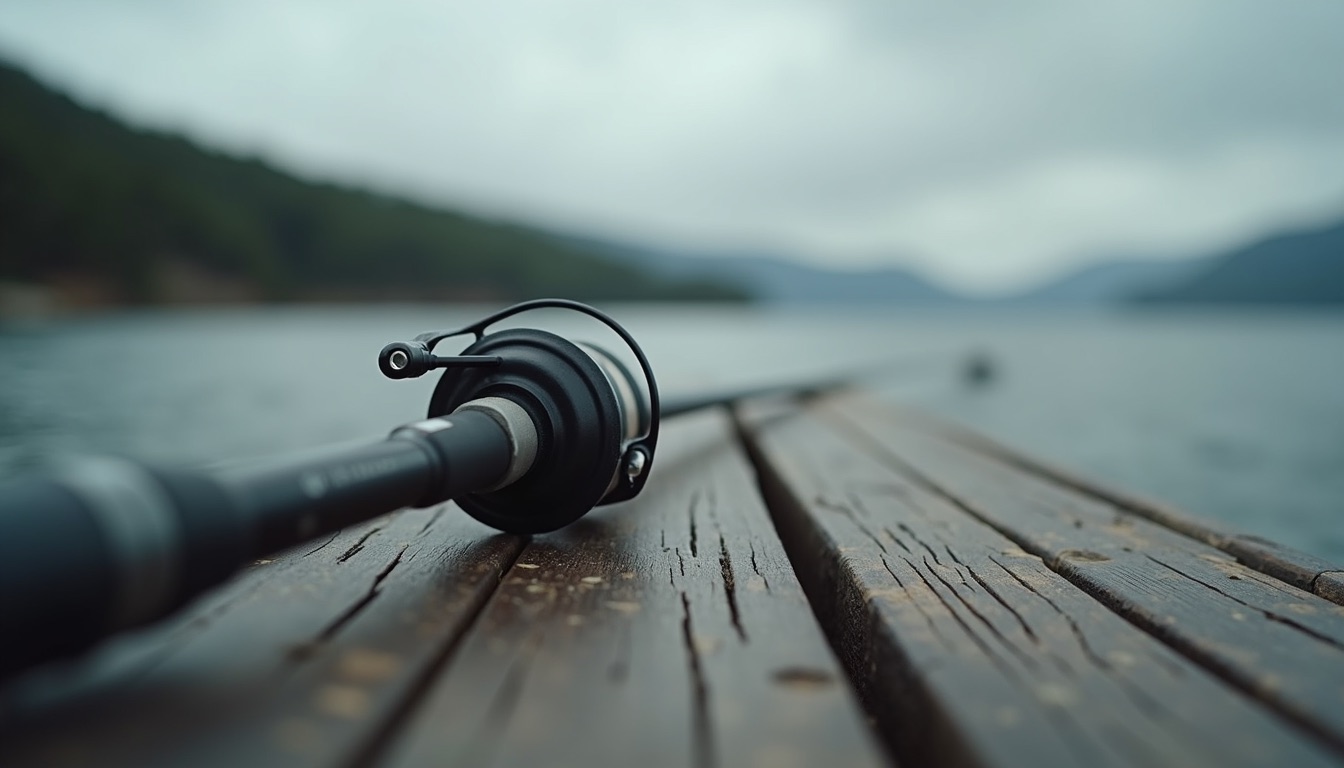
Durable fishing gear saves money and frustration over time — fewer replacements, fewer trips cut short by broken equipment. This guide covers what to look for in long-lasting rods, reels, line, hooks, and nets, how to spot quality before you buy, and the maintenance habits that keep any of it working season after season.
What Makes Fishing Gear Durable?
Saltwater corrosion, rough handling, and constant exposure to sun and water wear down inferior gear fast. When you're choosing tools, three things separate gear that lasts from gear that doesn't:
- Materials: Stainless steel, high-grade aluminum, and carbon fiber resist rust and impact damage far better than budget alloys or bare plastic.
- Construction: Solid joints, reinforced handles, sealed bearings, and corrosion-resistant coatings hold up under repeated use.
- Design: Ergonomic shapes reduce strain and improve control, which itself prevents the drops and mishandling that cause damage.
A rod with a graphite composite blank offers strength without extra weight, and a reel with sealed bearings keeps salt and grit out of the parts that matter. Look for those same principles — the right material, doing the right job, protected from the elements — across every piece of gear you buy.
How to Identify Durable Gear Before You Buy
You can usually tell how long something will last before it ever gets wet:
- Check the material quality: Corrosion-resistant metals and reinforced composites outlast bare aluminum or unshielded plastic.
- Check the warranty: A manufacturer that backs a product against defects and wear has more confidence in it than one that doesn't.
- Read reviews: Anglers who've owned a piece of gear for a season or more will tell you exactly where it held up and where it didn't.
- Inspect the finish and test the feel: Smooth finishes without rough edges, and a weight and balance that feels solid but not overbuilt, are both good signs.
- Ask what maintenance it needs: Some gear demands more upkeep than others — know that going in so you can commit to it.
Essential Durable Gear, Category by Category
Rods and Reels
Choose rods built from graphite or fiberglass — strong enough to flex under load without snapping, and resistant to environmental wear. On reels, look for sealed drag systems and stainless steel components; corrosion-resistant finishes matter most if you're fishing saltwater.
Fishing Line
Braided and fluorocarbon lines outlast traditional monofilament in abrasion resistance and handle rough underwater terrain better, which matters most around structure and rocky bottoms.
Hooks and Lures
Stainless steel hooks resist rust and hold their point. Lures made from hard plastics or metal shrug off repeated strikes instead of cracking after a season.
Nets and Cast Nets
Nylon or polyethylene mesh resists tearing far better than cheaper fibers. BasicGear's own cast nets use premium monofilament nylon mesh with galvanized zinc sinkers for exactly this reason — the same qualities to check for on any net you're considering. If you're not sure which radius or mesh fits your fishing, find your net walks through it in a few questions.
Tackle Boxes and Storage
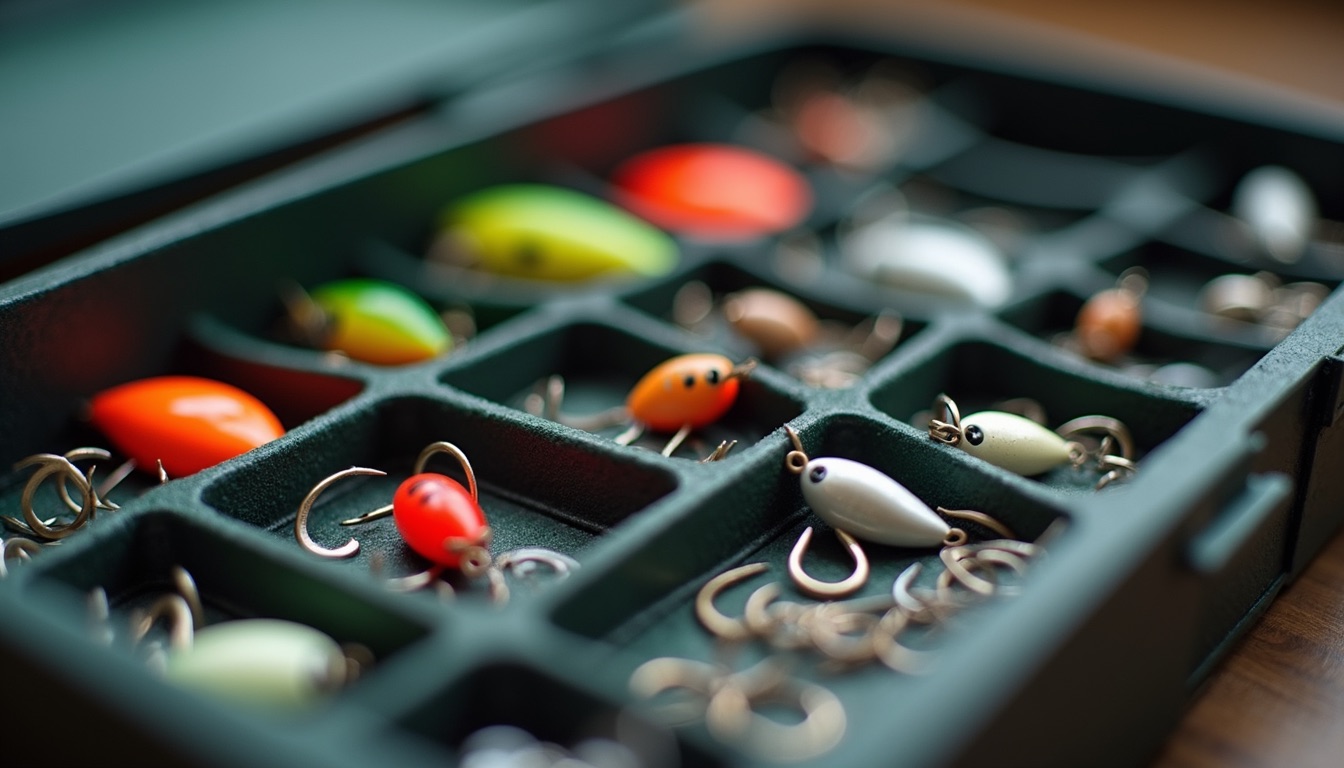
Impact-resistant plastic or metal tackle boxes, ideally waterproof and rustproof, keep the rest of your gear organized and protected between trips — cheap storage is often where good gear starts to degrade.
The 90/10 Rule: Why a Few Good Pieces Beat a Pile of Cheap Ones
Anglers often talk about a rough 90/10 rule: most of your results on the water come down to a small core of gear and technique, not the size of your tackle collection. A reliable rod-and-reel combo, matched with the right line and hooks for the job, does more for your success than a box full of budget extras.
Applying that thinking in practice means:
- A simpler setup that's easier to maintain and pack
- Spending on fewer, better tools instead of replacing cheap ones repeatedly
- More time practicing with gear you trust, rather than troubleshooting gear you don't
It's the same logic behind choosing long-lasting fishing tools in the first place — buy the core pieces once, buy them well, and spend your attention on using them.
Maintenance That Actually Extends Gear Life
Even the best-built gear needs consistent care. The habits that matter most:
- Rinse after every use: Fresh water removes salt and debris before it has a chance to work into joints and mesh, especially after saltwater trips.
- Dry thoroughly: Moisture left on gear causes rust, mold, and mildew — dry everything completely before it goes back in storage.
- Lubricate moving parts: Reel oil and grease on bearings, hinges, and gears keeps them turning smoothly and slows wear.
- Store properly: Rod holders, reel covers, and a dedicated net bag or bucket prevent the physical damage and tangling that shortens gear life.
- Inspect regularly: Frayed line, rusted hooks, hairline cracks in a rod, or a small tear in a net all get worse if you wait — catch them early. For cast nets specifically, our full cleaning guide covers the routine in detail.
Why Investing in Durable Gear Pays Off
Choosing durable gear is more than a smart purchase — it's an investment in the experience itself. It reduces how often you replace equipment, cuts down on trips interrupted by gear failure, and builds the kind of confidence that lets you focus on technique instead of worrying about whether your rod will hold. That matters most for anglers who fish often or push into tougher conditions.
Match your gear to your fishing style and environment, prioritize quality over quantity, favor tools that are easy to service, and lean toward corrosion resistance if you're anywhere near saltwater. Explore the range of long-lasting fishing tools available and build a kit — rods, reels, line, hooks, and nets — that's ready for every trip, not just the easy ones.
Browse more guides